Why Regular Plumbing Maintenance Is Essential in North Queensland
Picture this: it's the peak of the wet season, humidity is sitting above 80%, and your hot water system packs it in at 6am. You're not dealing with a fluke — you're dealing with the cumulative result of a climate that pushes plumbing infrastructure harder than most parts of the country.
For homeowners and property managers across the region, understanding how the local environment interacts with your pipes, fixtures and appliances is the first step toward avoiding costly, inconvenient breakdowns. Whether you've recently engaged a plumber in Townsville or you're yet to schedule your first maintenance visit, what follows is a grounded look at why routine plumbing care is one of the more sensible investments a property owner can make up here.
The Climate Factor: How Heat and Humidity Affect Your Plumbing
North Queensland's tropical climate is not kind to plumbing systems. Prolonged heat causes pipe materials to expand and contract with the seasons, accelerating wear at joints and connections. High humidity contributes to corrosion, and the transition between the dry and wet season can create pressure shifts that expose weaknesses that might otherwise go unnoticed for years in a more temperate climate.
This environmental stress shows up in predictable ways:
- Hairline cracks forming at pipe joints, which worsen rapidly once the wet season hits
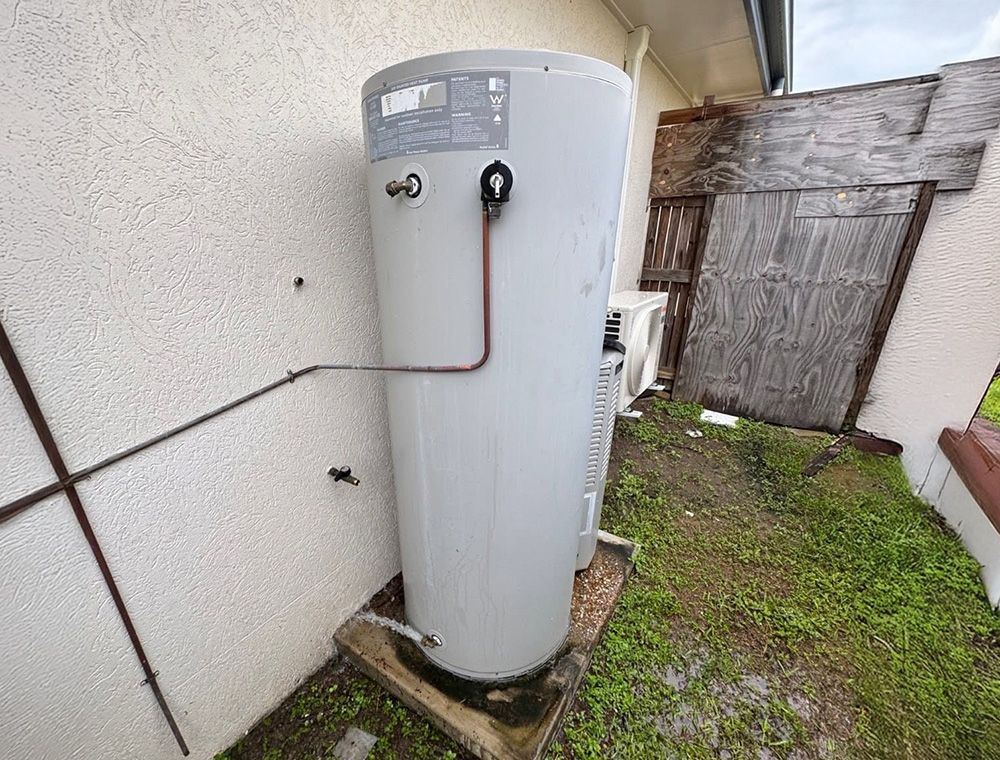
- Accelerated corrosion in hot water systems exposed to outdoor elements
- Increased sediment and mineral build-up in areas where water hardness fluctuates
- UV degradation on exposed pipework that hasn't been properly lagged or protected
Routine servicing allows a licensed plumber in Townsville to catch these stress points before they become ruptures or system failures.
Hot Water System Servicing: A Non-Negotiable in the Tropics
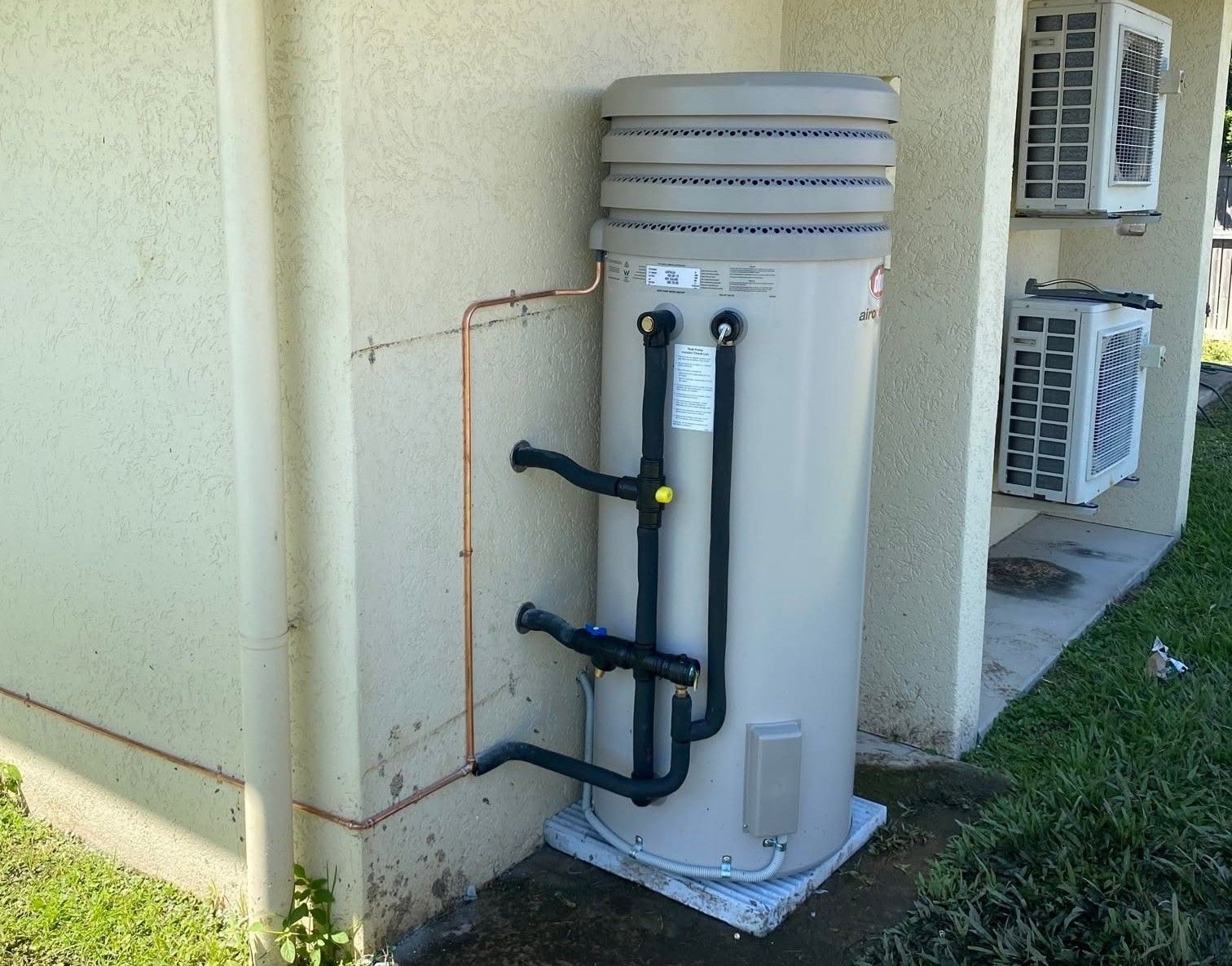
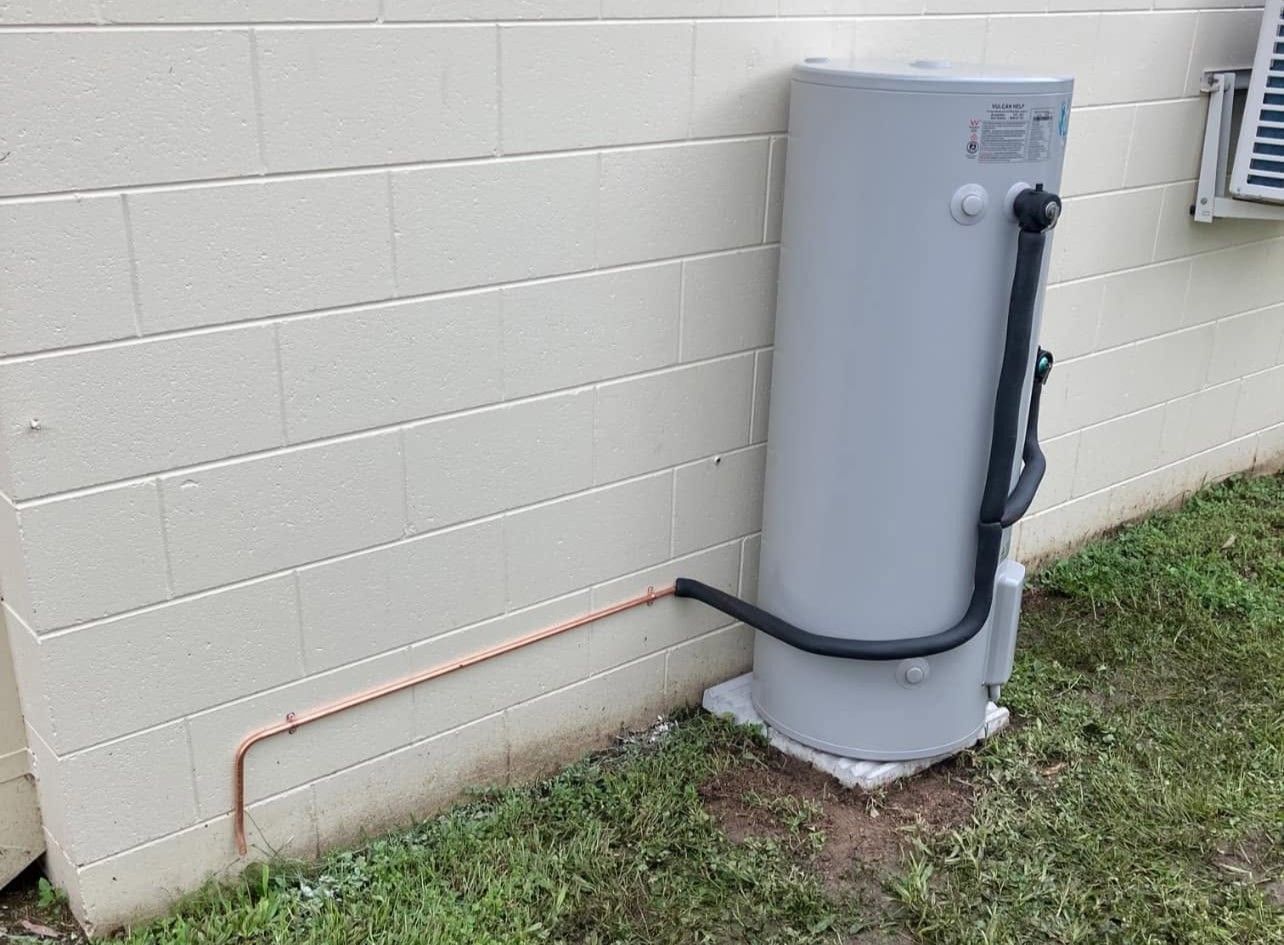
Hot water systems in tropical environments work harder than their counterparts in cooler climates, and they age faster for it. Whether your property runs a gas continuous flow unit, an electric storage system or a solar hot water setup, each comes with components that degrade over time and need periodic inspection.
Solar hot water systems, which are common throughout the region given the abundance of sunshine, are particularly worth monitoring. The collectors and tanks are exposed to intense UV radiation and thermal cycling daily.
Without regular checks:
- Anode rods can corrode completely, allowing rust to contaminate your hot water supply
- Pressure relief valves may fail to operate correctly, creating a safety risk
- Solar collector connections can loosen under repeated heat expansion
A plumber with experience servicing hot water systems in North Queensland will know exactly what to look for and what lifespan to expect from your specific unit in this climate.
Blocked Drains: Prevention Is More Affordable Than Emergency Callouts
Blocked drains rarely happen all at once. They build slowly — grease accumulates, tree roots probe their way into older clay or concrete pipes, and debris collects at bends. The wet season has a way of turning a slow drain into a fully blocked one.
Regular maintenance can include drain camera inspections and hydro-jet cleaning, which clears build-up before it becomes a full obstruction.
Common sources of drain blockages in the region include:
- Root intrusion from fast-growing tropical vegetation, which is far more aggressive here than in southern states
- Fat, oil and grease build-up in kitchen drainage lines
- Debris washed into stormwater connections during heavy rainfall events
- Deteriorated pipe sections in older properties that are prone to collapse
Scheduling a drain inspection annually keeps your drainage system functioning and helps avoid damage to your property during heavy rain.
Leak Detection: The Damage You Can't Always See
Water leaks in walls, slabs and underground service lines are common culprits behind unexpected spikes in water bills and structural damage that only becomes visible after months of slow moisture intrusion. In a high-humidity environment, any additional moisture behind walls or under flooring creates conditions that accelerate mould growth, timber rot and concrete degradation.
Professional leak detection uses technology— to pinpoint the source of a leak without the need for invasive investigation.
Catching a leak early typically means:
- Lower water bills from the moment the issue is resolved
- Reduced risk of mould-related health concerns
- Less structural remediation required compared to a leak left undetected for months
- Protection of your property's long-term value
An annual plumbing inspection that includes a check for concealed leaks is a straightforward way to manage this risk.
Tapware, Fixtures and Seals: Small Things That Compound Over Time
Dripping taps, running toilets and worn-out seals on showers and baths might seem like minor annoyances, but in aggregate they waste significant volumes of water and contribute to ongoing moisture exposure around cabinetry, tiles and subfloor structures. In a climate that already tests building materials, keeping fixtures in good working order matters.
During a routine maintenance visit, a licensed plumber in Townsville can:
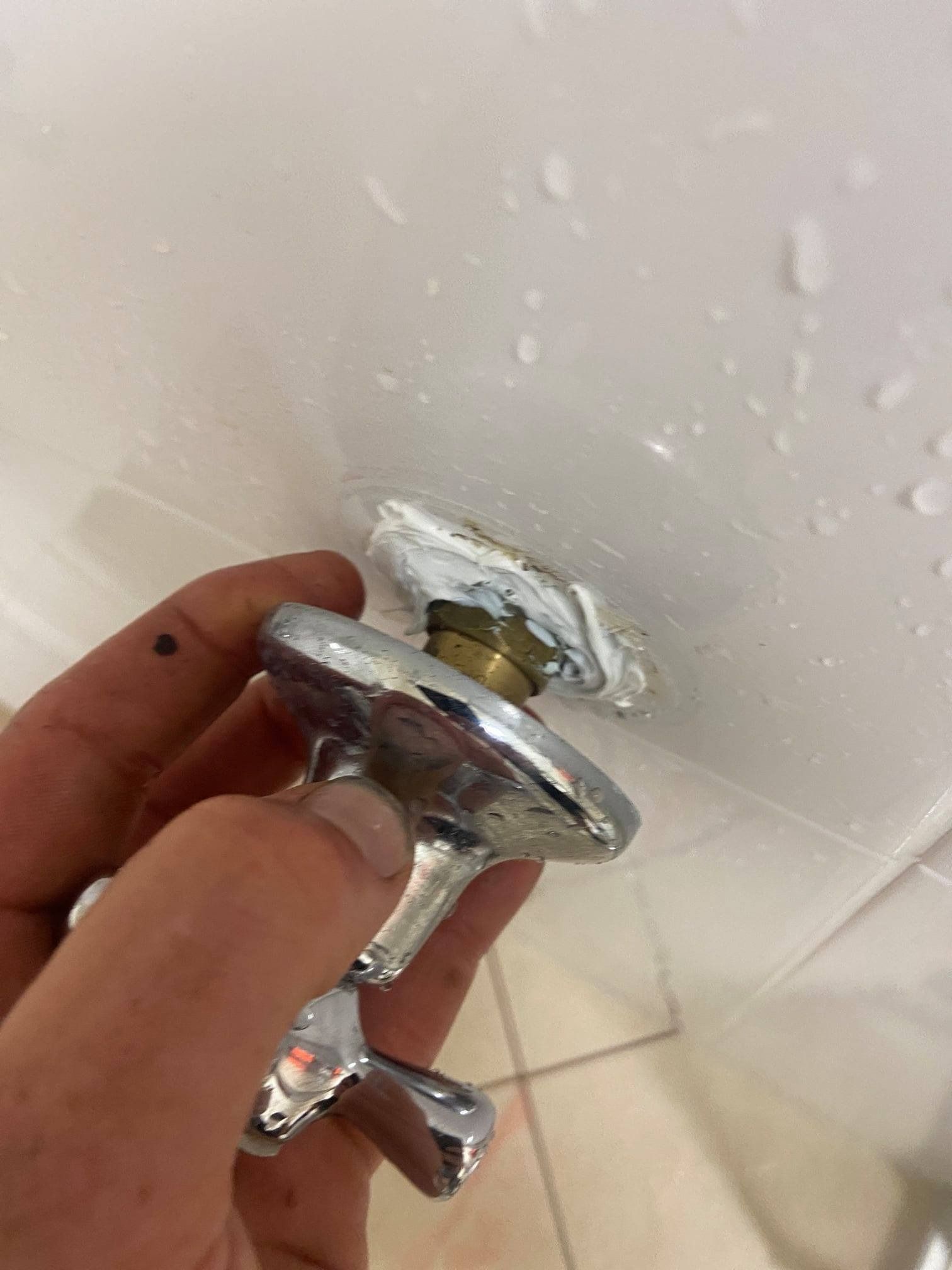
- Replace worn washers and O-rings before a slow drip becomes a steady stream
- Check toilet cisterns for silent leaks — a running toilet can waste tens of thousands of litres per year
- Inspect silicone seals around baths and shower recesses for deterioration
- Assess tapware for signs of internal corrosion or scaling
None of these jobs is particularly complex or expensive in isolation, but left unattended they accumulate into far larger repair bills — and in the case of subfloor moisture, they can create structural problems that go well beyond the original plumbing issue.
Gas Plumbing and Compliance: Safety First
Properties with natural gas or LPG connections require periodic safety checks to ensure appliances, regulator pressures and flexible connections are within safe operating parameters. Gas compliance is not just a regulatory formality; it has direct implications for the safety of anyone living or working on the property.
A licensed gas plumber conducting a routine inspection will typically:
- Check for gas leaks at connection points using approved detection equipment
- Inspect flexible hoses on appliances for brittleness or damage — these have a finite lifespan
- Test regulator pressure and ensure it falls within the correct range for each appliance
- Verify that all gas work on the property is compliant with current standards
In Queensland, gas work must be carried out by a licensed gas fitter. Scheduling this alongside general plumbing maintenance is an efficient way to keep both streams of compliance in order.
Stormwater and Drainage Infrastructure: Preparing for the Wet
Before the monsoon arrives, the condition of your property's stormwater drainage system deserves serious attention. Blocked or damaged stormwater drains can turn a heavy downpour into a flooded yard, underfloor space or even a flooded interior.
Pre-wet season plumbing maintenance should include:
- Clearing all visible stormwater grates and pit covers of debris
- Checking downpipe connections to underground stormwater lines for blockages or collapse
- Assessing the condition of any agricultural drains or surface drainage channels on rural or semi-rural properties
- Confirming that drainage paths away from the building are unobstructed
This kind of preventive work is far less disruptive than dealing with flood damage and the subsequent remediation it entails.
Water Quality and Filtration: What Comes Through Your Taps
While reticulated water supply in the region meets health standards, the quality of what actually arrives at your tap is influenced by factors including the age and condition of your internal pipework, your hot water system's anode health and whether your property has any filtration in place. In areas where properties rely on tank water, the condition of the tank, inlet filtration and pump system becomes even more important.
A routine plumbing review that takes water quality into account might include:
- Flushing and inspecting cold water storage tanks on commercial or multi-residential properties
- Testing pressure reducing valves to ensure they're functioning correctly
- Recommending point-of-use or whole-of-home filtration where pipework corrosion is contributing to water quality issues
- Inspecting rainwater tank inlets, first-flush diverters and pumps on properties not connected to mains supply
Good water quality at the tap is partly a function of good plumbing maintenance — not just what the supplier puts into the network.
Ready to Get Your Plumbing Sorted Before the Next Wet Season?
We at Top To Bottom Plumbing understand the specific pressures that the climate places on plumbing in Townsville. From the long dry season that bakes exposed pipework to the sudden arrival of the monsoon that tests every drain and stormwater connection on the property, routine maintenance is not something we'd recommend putting off.
If you're overdue for a plumbing inspection, want your hot water system checked before it lets you down or simply want a licensed plumber in Townsville to cast a professional eye over your property's plumbing infrastructure, we'd be glad to help. Get in touch with us today to arrange a time that suits you.